Checkbook IRA LLC

With a Checkbook IRA LLC from Directed IRA, account holders gain “Checkbook” 
control of their retirement funds, allowing direct investments in assets like real estate, private placements, and other alternatives—without the need for custodian processing for each transaction. This setup offers more flexibility, faster investments, and lower fees for investors seeking more control of their Self-Directed IRA. 

For New Clients, Setting Up a Checkbook IRA/LLC at Directed IRA is Streamlined from Start to Finish.

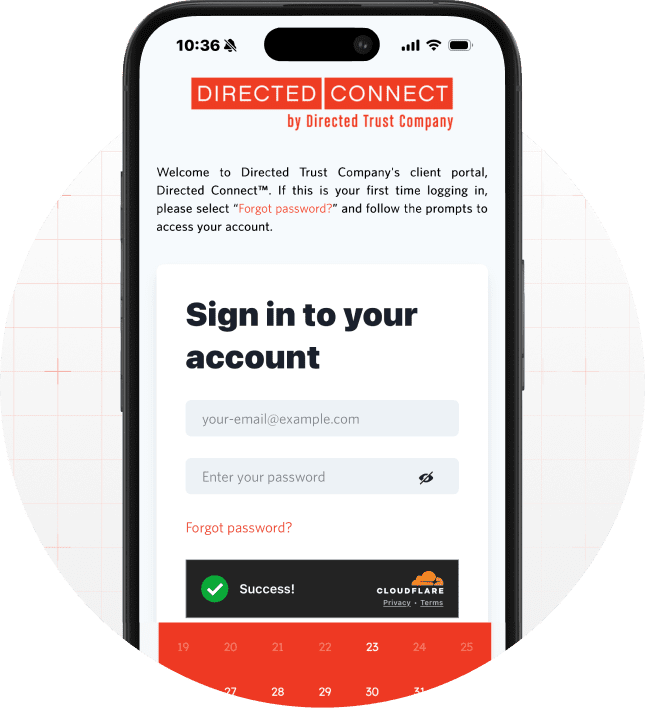
Create Portal Log-in and Open Self-Directed IRA Account

Complete IRA/LLC intake info (name and LLC items)

Book a call online with an attorney at KKOS Lawyers (included but optional)

All applications are completed through the Directed Connect portal and take 10 minutes or less.

For Existing Clients who Already have a Directed IRA account

It takes just 2 steps. Start Here

Complete IRA/LLC intake info (name and LLC items)

Book a call online with an attorney at KKOS Lawyers (included but optional)

All applications are completed through the Directed Connect portal and take 10 minutes or less.
Pricing & Fee Schedules

Ready for Checkbook Control? Set Up Your IRA/LLC Today

KKOS Lawyers provides expert, fully compliant formation of your IRA-owned LLC (or 401k/LLC), including specialized operating agreement, required custodian provisions, up to 1 hour of attorney guidance, state registration, EIN, and complete corporate records.


Pricing: $1,195 (single-member) | $1,495 (multi-member) + state fees.


Secure Your Setup – CLICK HERE


What Is a Checkbook IRA LLC?

A Checkbook-Controlled IRA, often referred to as an IRA LLC or Checkbook IRA/LLC, is an IRA strategy that offers enhanced control and flexibility over your retirement investments.


In a checkbook IRA/LLC, your IRA establishes and owns a Limited Liability Company (LLC). Funds from your IRA are invested into the LLC, and your IRA is the 100% owner of the LLC. You, the SDIRA owner may be the manager of the LLC, and you gain “checkbook control,” meaning you can make investments directly from a business checking account set up for the LLC without needing custodian approval for each transaction.  


  • Checkbook Control: Complete transactions quickly through your IRA-owned LLC’s bank checking account without waiting for custodian approval.  
  • Enhanced Privacy: Transactions occur under the LLC’s name, not your personal name or the IRA custodian, offering greater privacy.  
  • Asset Protection: The LLC structure limits liability, protecting IRA funds and the IRA owner from related lawsuits or liabilities.  
  • Streamlined Administration: Simplify repetitive tasks like paying utility bills or tracking multiple investments.  
  • Investment Flexibility: Access non-traditional opportunities that require fast response time or that are transaction-heavy, such as acquiring properties at auction, fix and flip properties, short-term notes, tax liens, and certain cryptocurrency investments, such as crypto mining. 


Common uses for a Checkbook IRA LLC include purchasing real estate, such as rental properties or properties to flip for a profit. It is also well-suited for private lending, where you can issue secured or unsecured loans to third parties. Additionally, you can invest in private companies, startups, or alternative assets like cryptocurrency and tax liens. This strategy provides a streamlined way to diversify your IRA portfolio while achieving control of the transactions over the investment’s assets.  

Frequently Asked Questions

Can I manage the LLC myself?

Yes, you can act as the manager of your IRA LLC. This means you are responsible for overseeing the LLC‘s operations, making investment decisions, and ensuring compliance with IRS rules. However, as the manager, you cannot receive a salary, compensation, or any management fees for your role. Additionally, you cannot use the funds or assets of the IRA LLC for personal benefit, as this would be considered a prohibited transaction. Engaging in such transactions could result in severe tax consequences, including disqualification of the IRA. 

If your IRA LLC engages in a prohibited transaction, the consequences can be severe. The entire IRA could be disqualified as of the first day of the year in which the prohibited transaction occurred. This would result in:  


  • The immediate distribution of all assets held in the IRA.  
  • The distributed amount becoming taxable as ordinary income in that year.  
  • Potential penalties, including a 10% early withdrawal penalty if you are under 59½ years old. 


Additionally, prohibited transactions may include:


  • Selling, exchanging, or leasing property between the IRA LLC and disqualified persons (e.g., yourself or certain family members).
  • Lending money to or borrowing money from the IRA LLC.


To avoid prohibited transactions, consult a legal or tax professional familiar with Self-Directed IRAs and IRA/LLCs  and keep  records of  transactions.  


No, your IRA LLC cannot invest in a business that you or other disqualified persons own or control. This would be considered a prohibited transaction because it creates a conflict of interest and personal benefit. For example, your IRA LLC cannot:  


  • Purchase stock in a company you own 50% or more of. 
  • Provide loans or funding to a business in which you hold a majority ownership stake.  
  • Engage in transactions with a company controlled or owned by a disqualified person (e.g. you, your spouse, parent, child).  


These restrictions are in place to ensure the IRA operates solely for retirement purposes. Violating this rule could lead to the disqualification of your IRA, resulting in taxes and penalties.  

It depends on the structure of your LLC:  


  • Single-Member LLCs: If the IRA LLC has a single member (your IRA owns it 100%, the most common), it is considered a disregarded entity for federal tax purposes and no federal tax return is required. However, you may need to file state-level reports or pay state fees depending on the state to keep the LLC active.  
  • Multi-Member LLCs: If your IRA LLC has multiple members (e.g., multiple IRA accounts or other qualified entities as owners), it is treated as a partnership for tax purposes. In this case, the LLC must file an annual partnership tax return (Form 1065) with the IRS. There is no tax due on the partnership return but the return will state the income, expenses, and profit or loss for the company for the year.  


Additionally, if the IRA LLC generates certain types of taxable income, such as unrelated business taxable income (UBTI) or unrelated debt-financed income (UDFI), the IRAs owning the LLC may need to file a Form 990-T and pay the associated taxes.  

To ensure compliance for your IRA LLC, adhere to the following best practices and consult with a professional: 


  • Proper Setup: Work with professionals experienced in IRA LLC structures, such as Directed IRA or specialized law firms, to set up your LLC correctly. This includes drafting an operating agreement that aligns with IRS requirements.  
  • Record-Keeping: Maintain detailed and accurate records of all LLC transactions, including receipts, contracts, and bank statements.  
  • Avoid Prohibited Transactions: Familiarize yourself with the rules on prohibited transactions and consult with experts if you’re unsure about a specific action.  
  • Annual Valuations: Provide your IRA custodian with an annual valuation of the IRA LLC’s assets to keep an up to date value of the IRA’s investments. 

No, you cannot receive a salary, management fee, or any form of compensation from your IRA LLC. This would constitute self-dealing, a prohibited transaction under IRS rules. The purpose of your IRA is to grow funds for retirement, not to provide you with current income or benefits. Receiving any form of payment would disqualify your IRA, triggering taxes and penalties. If you are managing the LLC, you must do so without compensation.  

No, you cannot live in, use, or personally benefit from any property owned by your IRA LLC. This includes you (or any disqualified person) staying in a vacation property, renting it at a discount, or performing unpaid labor to improve the property. Such actions would be considered prohibited transactions, which could disqualify your IRA and result in taxes and penalties.  


If you wish to use the property personally, it must first be distributed from the IRA. This distribution would be treated as taxable income for traditional IRAs and may also incur a 10% early withdrawal penalty if you are under 59½. 

Yes, your IRA LLC can take out a nonrecourse loan, which is a loan secured solely by the investment property and not by your personal assets or credit. Nonrecourse loans are commonly used for real estate investments. . There are two important considerations to know when using debt to leverage your IRAs investment.
 

  • Non-Recourse Loan Terms: The lender must understand and agree that no personal guarantees or collateral can be provided by you, as doing so would violate IRS rules. There are about ten banks who regularly provide non-recourse loans to SDIRAs and IRA/LLCs purchasing real estate and it is best to work with those banks as they are experienced and have compliant loan structures. Check out our resource directory for a list of non-recourse lenders.  
  • Unrelated Debt-Financed Income (UDFI) Tax: If the property generates income while under a nonrecourse loan, the income attributable to the leveraged portion is subject to UDFI tax. For example, if 60% of the property was purchased using a loan, then 60% of the income generated by the property would be subject to UDFI tax. In other words, there is no tax on the gains or income from the retirement accounts cash invested but the debt leveraged piece (not retirement account dollars) is subject to tax and paid by your IRA. Consult your legal or tax advisor for details or check out our webinar on UDFI tax here.  
  • Proper planning is essential to ensure compliance when taking out a nonrecourse loan. 

More Resources on Checkbook IRA LLC

Beginner’s Guide: How to Self-Direct Your IRA

Directed IRA Webinars

Self-Directed IRA Events

Directed IRA Podcast

Self-Directed IRA Getting Started Resources

New to self-directed retirement accounts? These resources are designed to help you understand the fundamentals and get started the right way.


Access curated webinars, guides, and educational content covering investment options, account structures, and the rules that govern self-directed IRAs.


Enter your information below to access the resources. 

By downloading The Self-Directed IRA Handbook Resources, you opt-in to receive marketing communications from Directed Trust Company. Unsubscribe at anytime.

Get Access to SDIRA Handbook Resources

Mat Sorensen, Attorney, CEO, and Founder of Directed IRA, wrote the #1 book on self-directed IRAs – selling over 50,000 copies nationwide. The Self Directed IRA Handbook is a comprehensive guide written for both investors and advisors alike. Get access to your SDIRA Handbook resources today!

By downloading The Self-Directed IRA Handbook Resources, you opt-in to receive marketing communications from Directed Trust Company. Unsubscribe at anytime.

Beginner's Guide:
How to Self-Direct Your IRA

By downloading Beginner's Guide: How to Self-Direct Your IRA, you opt-in to receive marketing communications from Directed Trust Company. Unsubscribe at anytime.

#1 Book
on Self-Directed IRAs

Mat Sorensen, Attorney, CEO, and Founder of Directed IRA, wrote the #1 book on self-directed IRAs – selling over 50,000 copies nationwide. The Self Directed IRA Handbook is a comprehensive guide written for both investors and advisors alike. Download your free copy today!

By downloading The Self-Directed IRA Handbook, you opt-in to receive marketing communications from Directed Trust Company. Unsubscribe at anytime.